Note to editors: Please find photos here, here, here, here, here, and here.
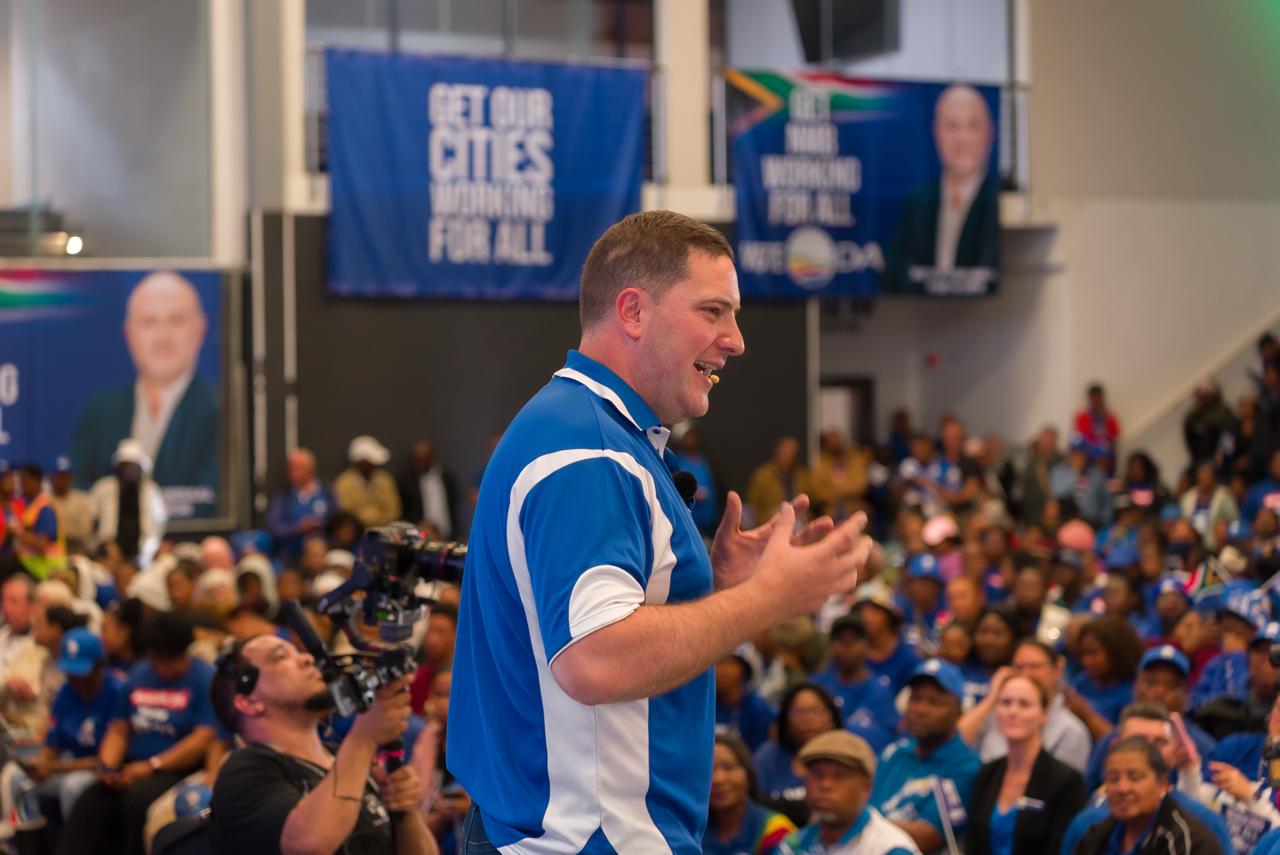
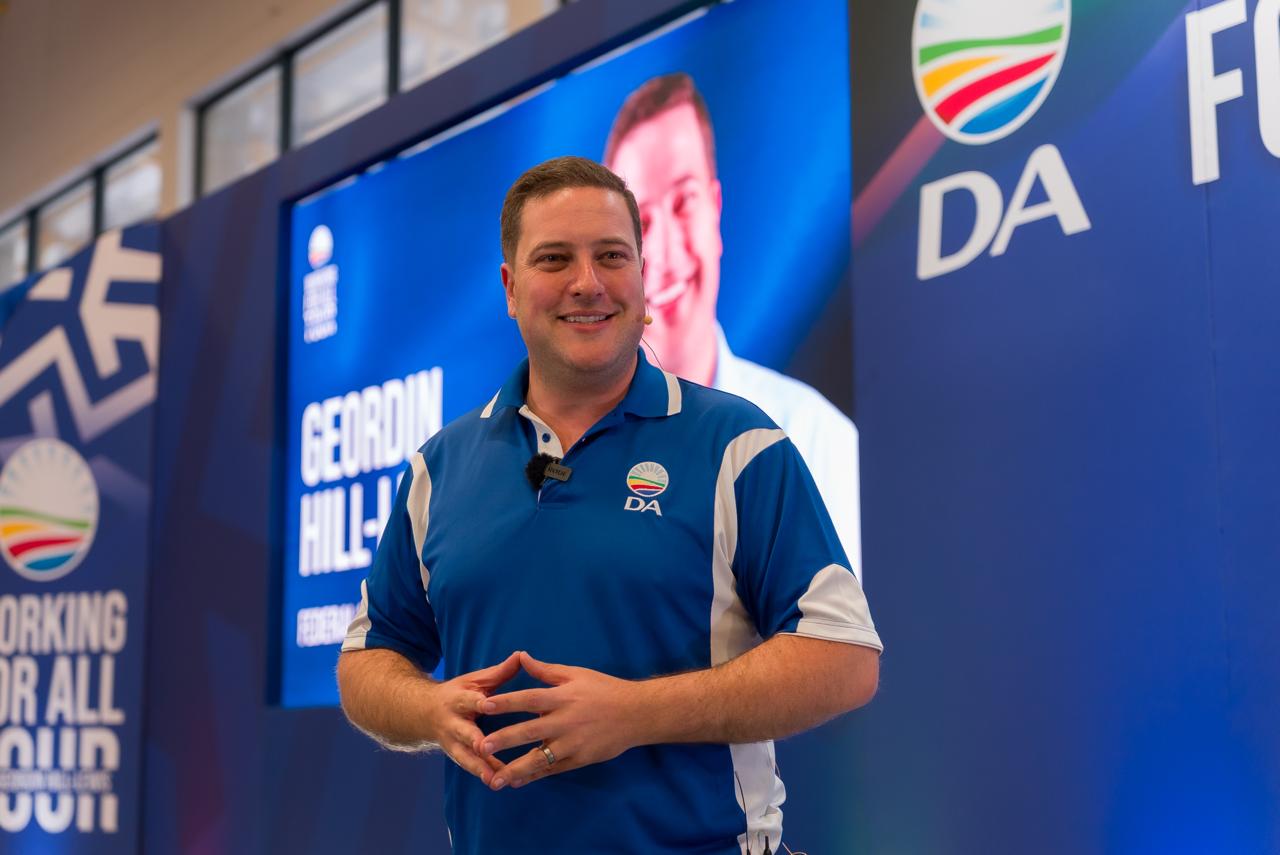
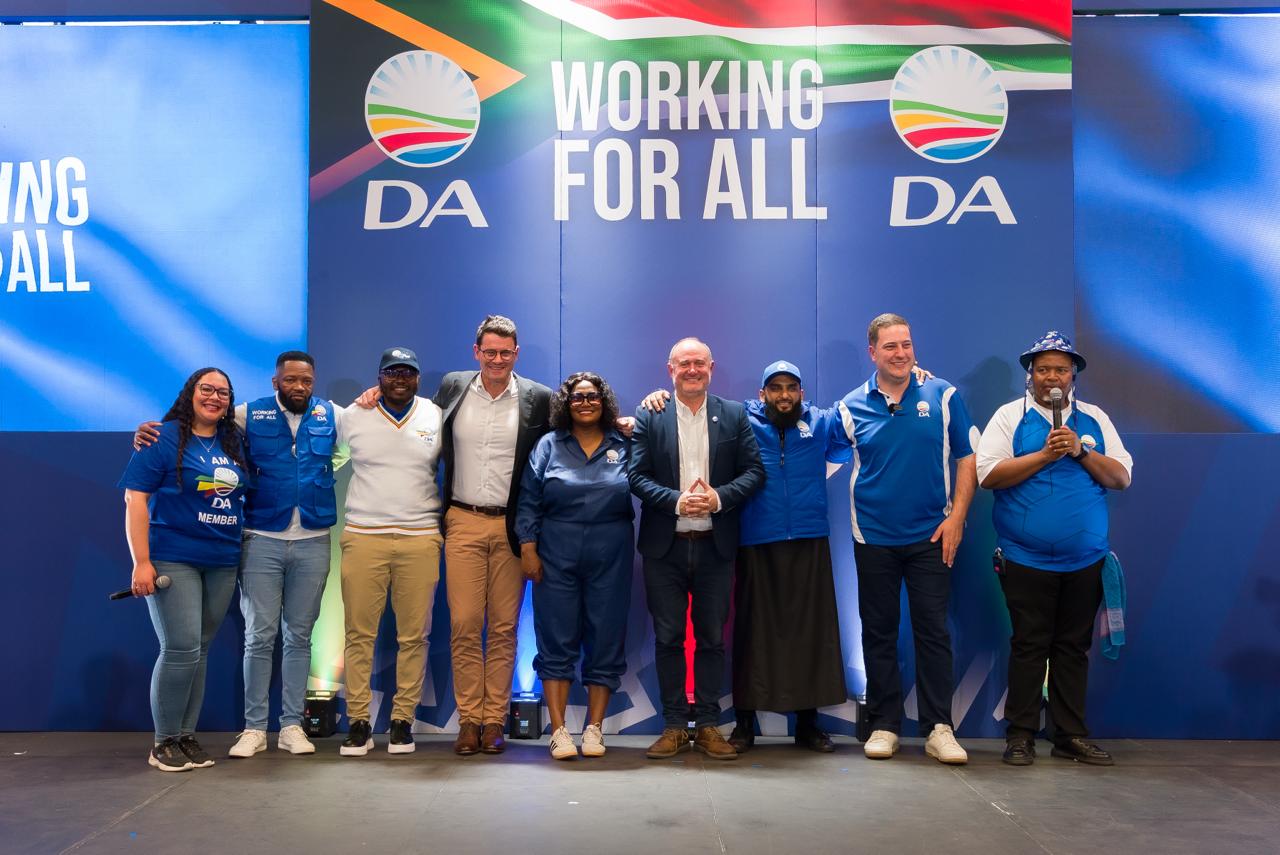
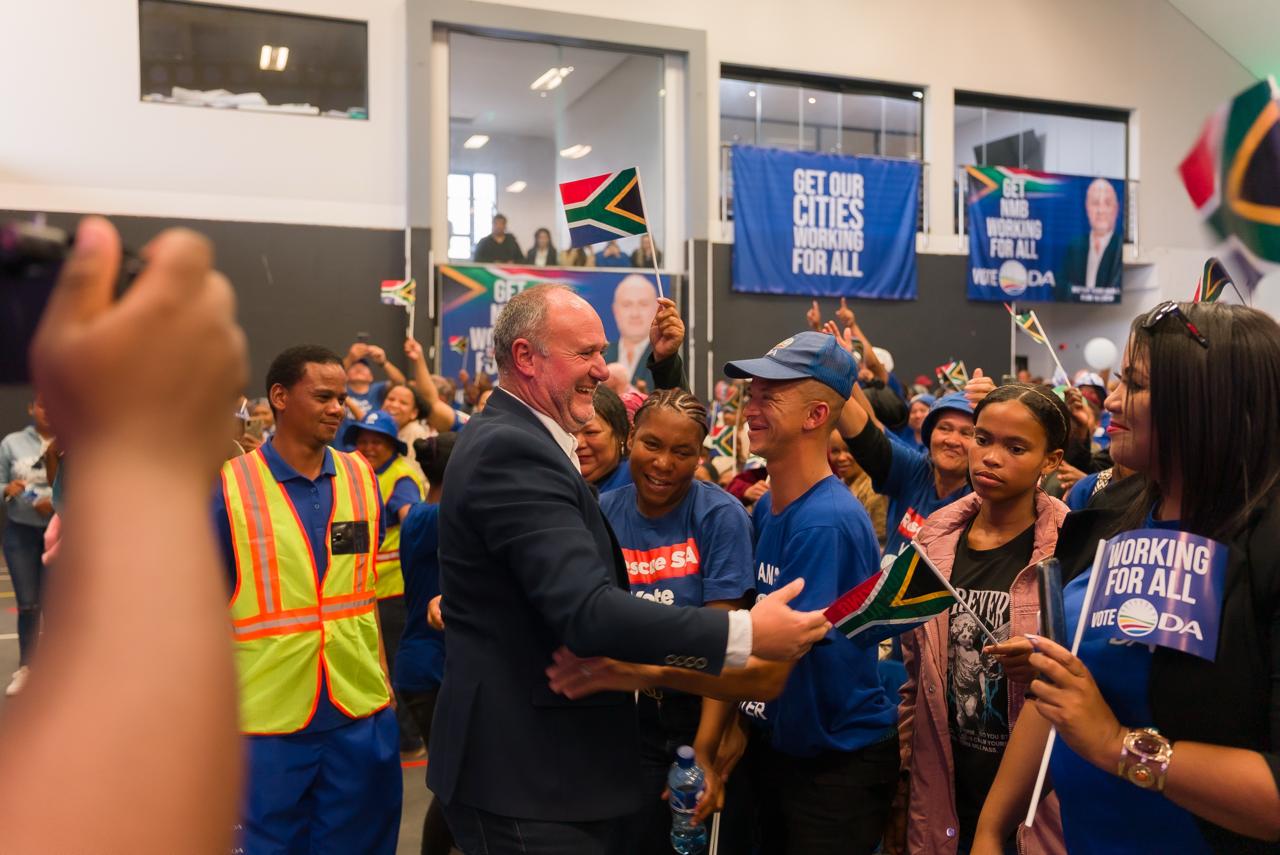
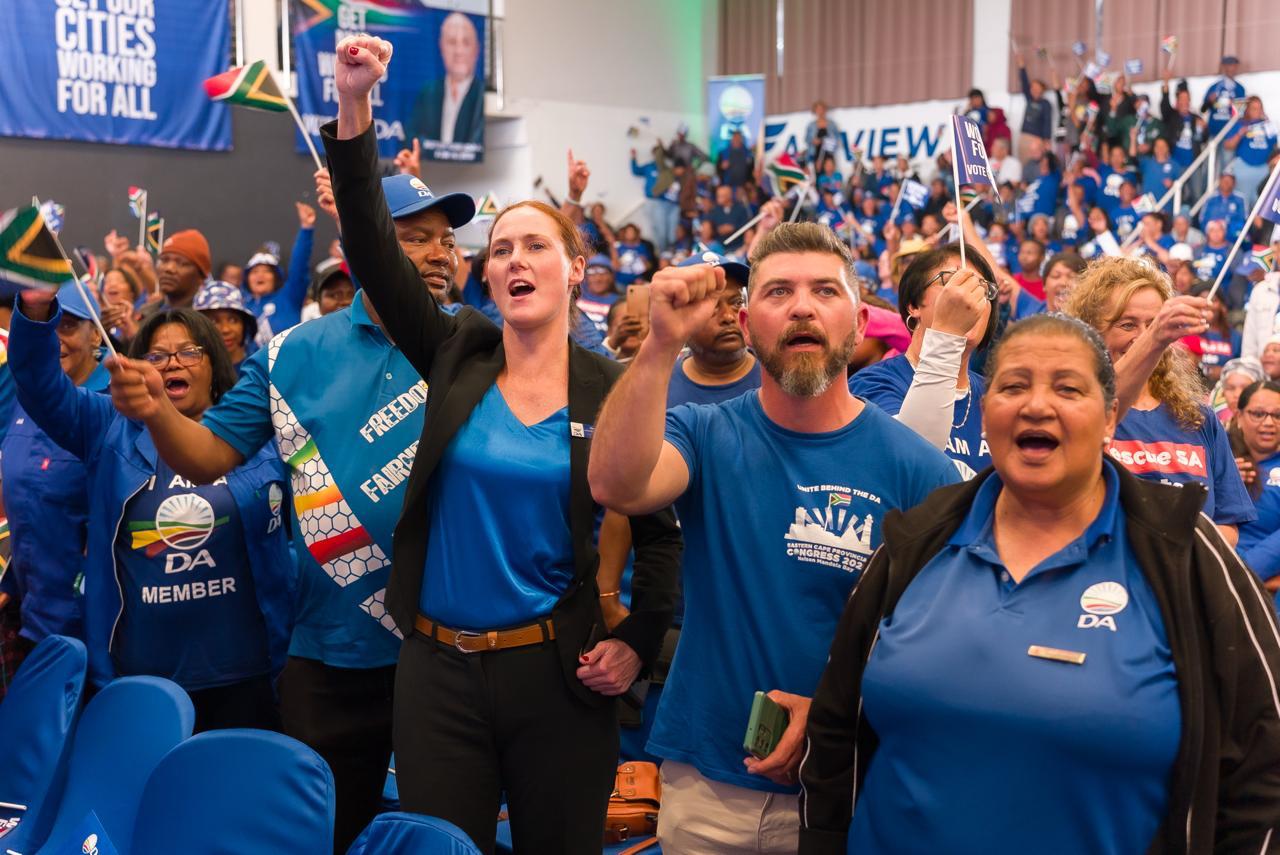
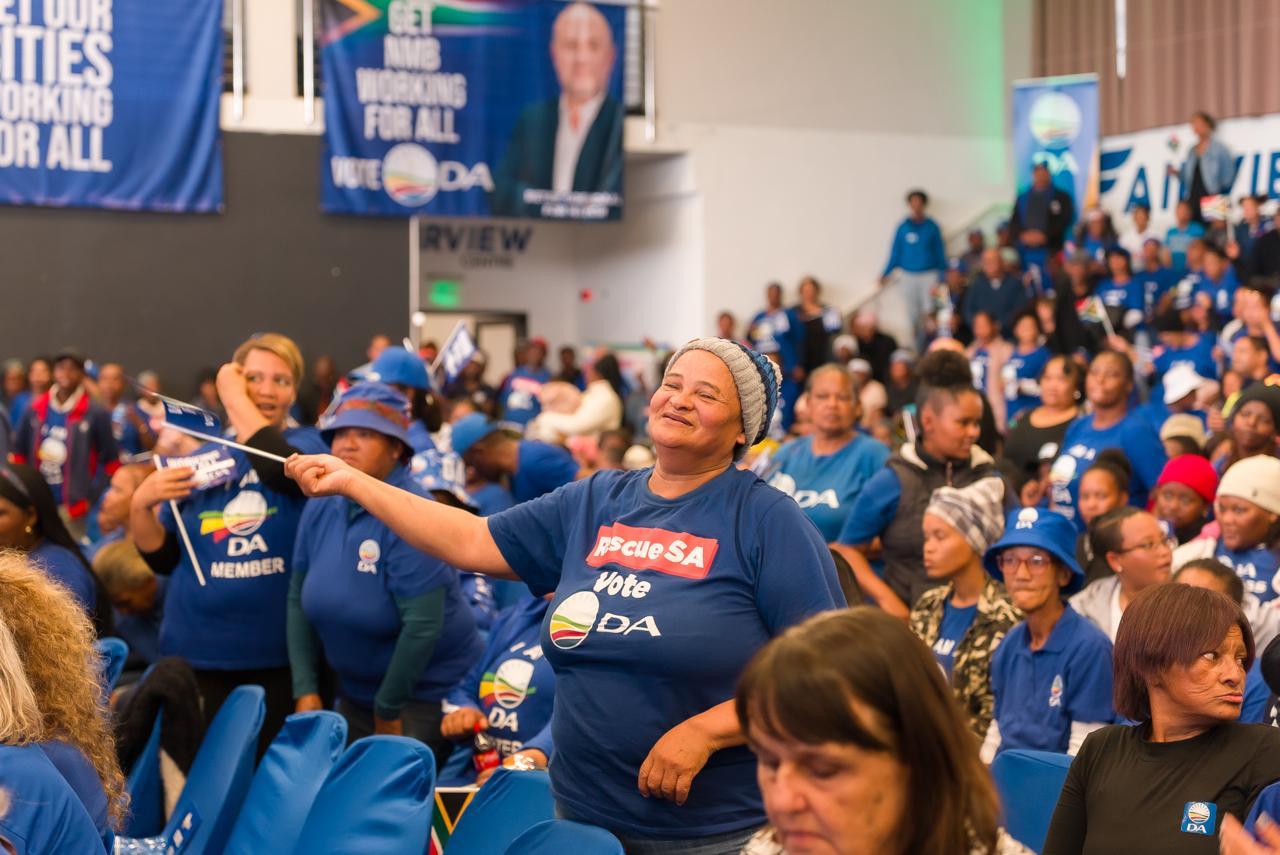
The following speech was delivered by Geordin Hill-Lewis, Leader of the Democratic Alliance, at the fourth stop of the “Working For All Tour” in Nelson Mandela Bay.
Molweni, Nelson Mandela Bay!
Good afternoon, Gqeberha!
It is wonderful to be back in this beautiful city.
And thank you to every person who has come here today because you care about the future of Nelson Mandela Bay.
This city can be better than it is.
That is why Nelson Mandela Bay is an important stop on our Working For All Tour.
I know from my own job as a mayor that local government is not abstract.
It is whether the streetlight outside your house works when you come home at night.
It is whether the park down the road is somewhere you can take your children.
It is whether rubbish is collected before it becomes a dumping site.
That is what a working city feels like.
And when those basic things start working, something important happens.
People begin to believe in their city again.
Families use public spaces again.
Businesses invest with more confidence.
Young people begin to see possibility rather than decline.
Hope returns.
That matters deeply here, because the crime problem in Nelson Mandela Bay is not theoretical.
The crime rate per 100 000 residents in Nelson Mandela Bay is higher here than any other metro in SA, at 115 per 100 000. That is nearly triple the national rate. Let’s make no mistake, the SAPS are not winning the war on crime in Nelson Mandela Bay.
Between January and March this year, KwaZakhele recorded 59 murders, the highest number of any police precinct in South Africa. New Brighton and Motherwell were also in the national top ten, while Walmer and KwaNobuhle were in the top thirteen.
Five precincts from one metro among the thirteen highest-murder stations in the country.
Behind every one of those numbers is a person, a family and a community living with the consequences.
And regrettably the national government does not act with the necessary seriousness that our crime crisis demands.
Acting Police Minister Firoz Cachalia came to this very city in January.
He stood here and admitted that the police were not in a position to defeat the gangs terrorising communities in the Eastern and Western Cape. He acknowledged that the response to gangsterism was too disorganised.
He then emptily promised better coordination, stronger local accountability and a new strategy.
That was eight months ago. What has changed? Nothing.
Retief has repeatedly asked the Minister to properly resource the specialised units, restore crime intelligence and help get a permanent Joint Operations Centre working.
Residents deserve to know: where is the plan, where are the resources, and where are the results?
Minister Cachalia’s job is not to tell Nelson Mandela Bay that the gangs are winning. His job is to make sure the gangs start losing.
But the DA and Retief Odendaal knows that while a municipality cannot replace the SAPS, it is not powerless. It can do something.
It can invest in safety technology. It can build a competent and trustworthy Metro Police and Law Enforcement. It can root out corruption. It can ensure Traffic Officers never become known for asking for “cooldrink money” like in so many metros.
And it doesn’t stop there.
When streetlights do not work, when public spaces are neglected, when by-laws are not enforced, when derelict buildings are simply left to decay, criminals are given more room to operate.
That is the connection Retief has repeatedly drawn between basic municipal services and safety.
In a well-lit street it is harder to commit crime.
A busy park is harder to capture.
Clean public spaces tell residents that somebody is in charge and that the rules still matter.
Look at St George’s Park here in this wonderful city.
This should be one of the great shared spaces of Nelson Mandela Bay. Somewhere people run in the morning, families spend time together, children play, tourists visit and the city gathers.
Instead, parts of this iconic park have become underused, unsafe and neglected.
Retief has spoken about turning St George’s Park into a “Central Park for Nelson Mandela Bay”. Not merely by repairing a few broken things, but by making it active again.
When he is elected Mayor he will ensure R100 million for revitalisation, with better lighting, CCTV, emergency call points, dedicated security and a ranger service.
But what I like about the idea is that it does not stop with security infrastructure.
Because the safest public space is often a public space that is loved and used.
So his plan is also about fixing pathways, restoring sporting facilities, bringing families back to the swimming pool, reviving cultural spaces like the Mannville Open Air Theatre and restoring the Pearson Conservatory.
That is how you reclaim a place.
You do not just chase crime out.
You bring life back in.
And the same principle should apply across this city.
Retief’s safety plan sets a target of expanding the Metro Police to more than 500 officers, supported by more than 60 vehicles so that visible municipal policing can reach communities across Nelson Mandela Bay.
Retief and his team will rebuild CCTV capability, restore a joint operations centre where Metro Police, SAPS and private security can share information and respond together, and using technology such as gunshot detection where it can make a practical difference.
This is what a responsible and proactive municipality does. It does not accept decline.
It uses every power a municipality does have, properly.
Good government helps law-abiding residents, not criminals.
And good government should be able to show you that things are getting better.
Because South Africans have become far too accustomed to hearing that broken things are complicated.
Of course governing a city is complicated.
But is not an excuse for accepting the unacceptable.
The job of government is to work through the complexity and produce results that ordinary people can see and feel.
This wonderful city has enormous potential, extraordinary people, beautiful public spaces, a major port, industry, a university, tourism and communities with deep pride in this place.
Those strengths have not disappeared.
The question is whether the city government can create the conditions in which they can flourish.
That is why I remain optimistic about this city.
Working government should not be a privilege reserved for some neighbourhoods or some South Africans.
With the DA’s, good governance belongs to everyone.
Nelson Mandela Bay can work.
Gqeberha can work.
KwaZakhele can work.
Motherwell can work.
New Brighton can work.
Walmer can work.
And when our towns and cities work, South Africa can work — for everyone.