Soundbite by Michele Clarke MP
- Thuthuzela Care Centres are a lifeline for rape survivors, yet sadly, the facility in Daveyton has been neglected.
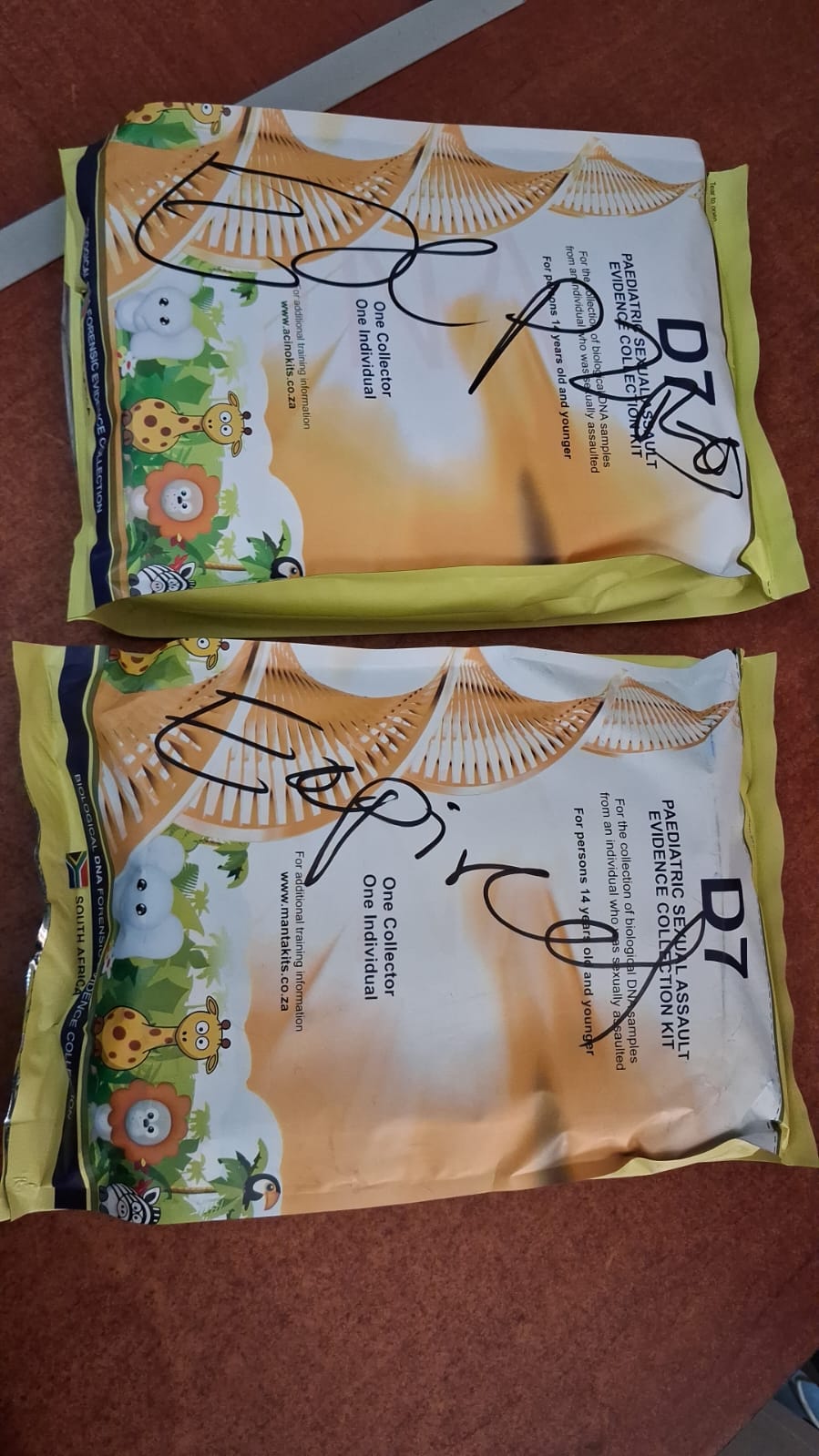
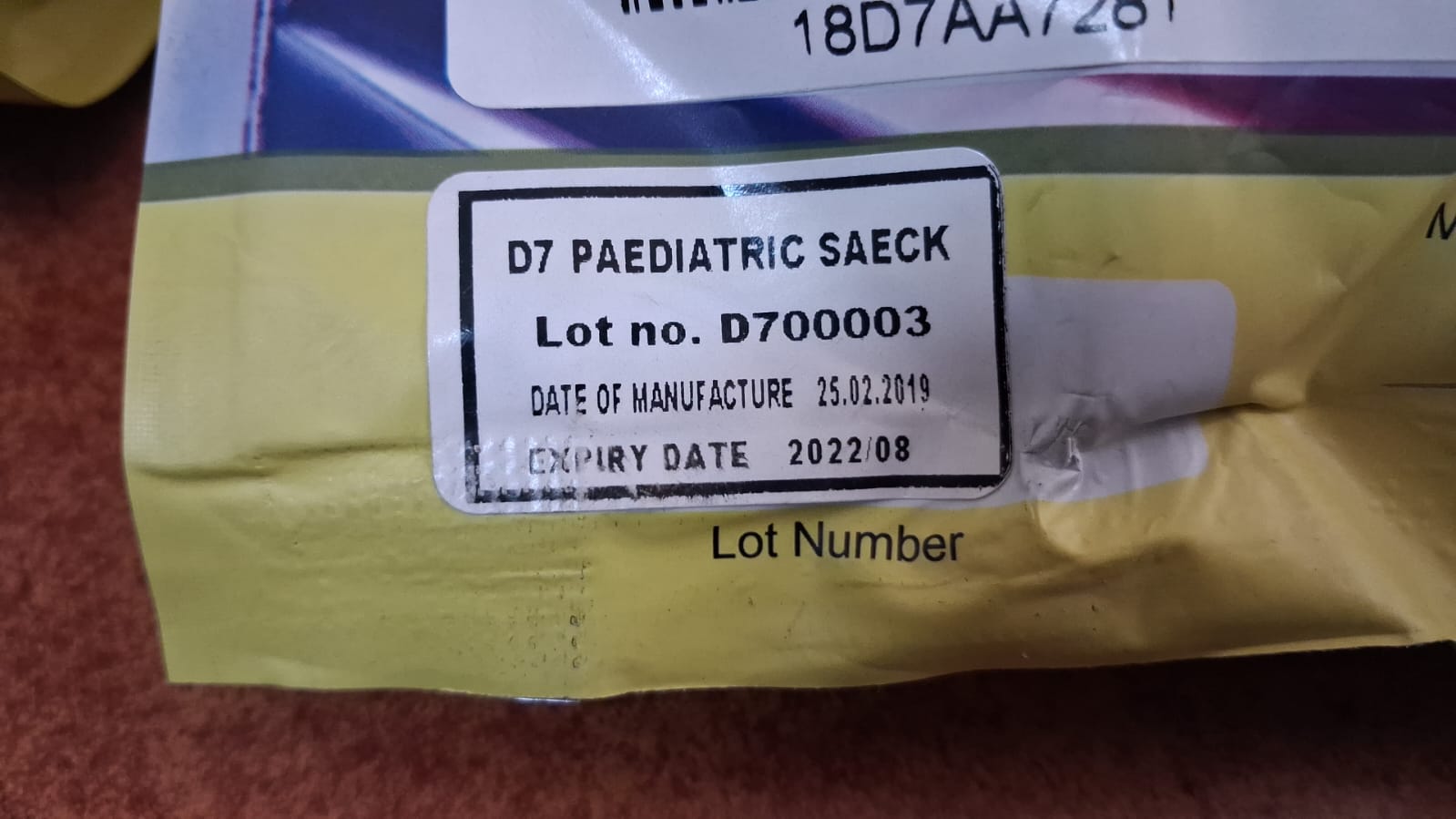
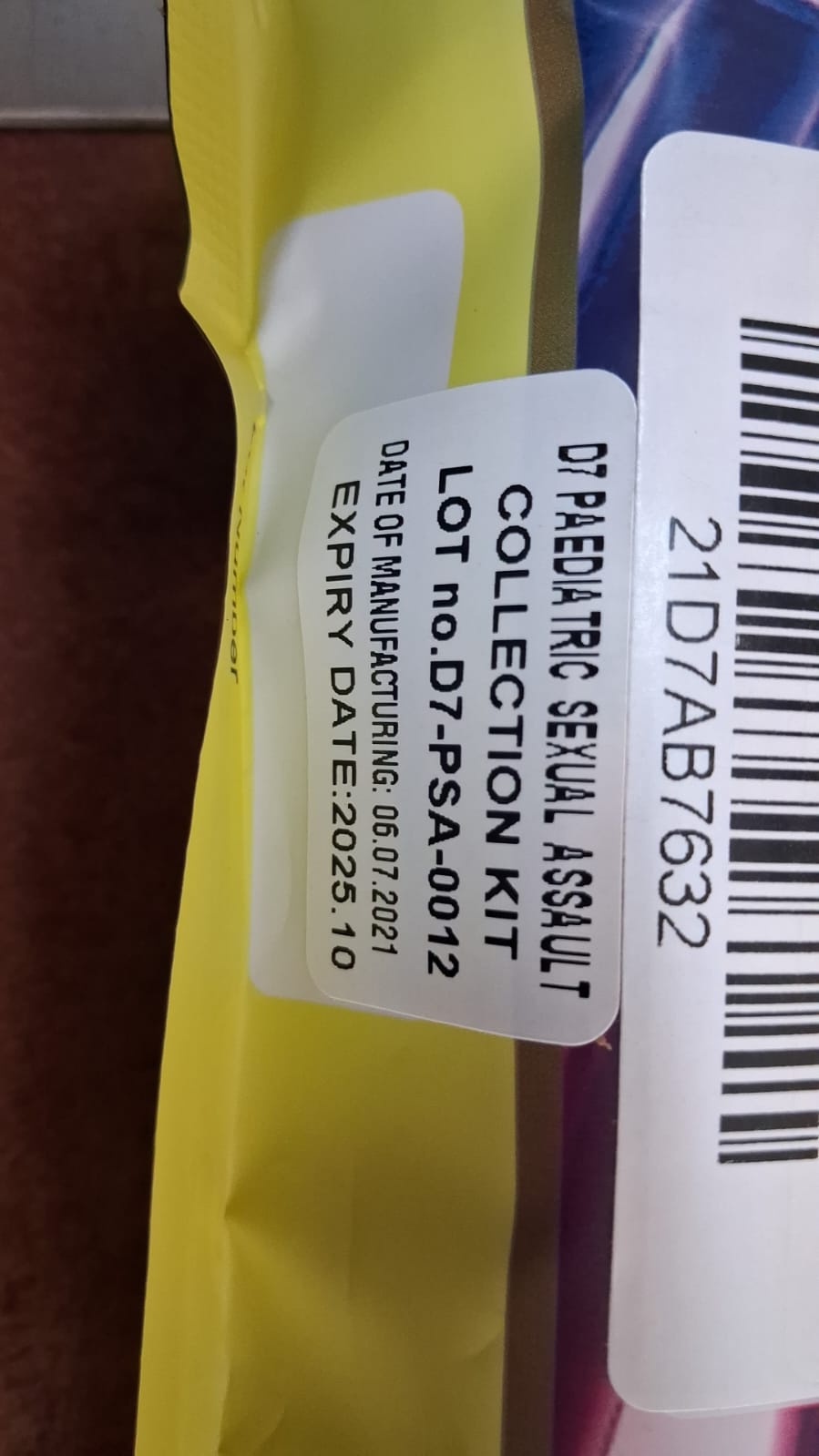
- A DA oversight found a complete absence of rape kits, as staff are forced to use expired or paediatric rape kits when treating adult survivors.
- A massive staff shortage was also evident, as the facility is without a dedicated social worker, prosecutor or case manager.
The Democratic Alliance conducted an oversight visit to the Daveyton Thuthuzela Care Centre, and what was uncovered paints a deeply troubling picture of a facility that is expected to support victims of gender-based violence (GBV), yet is struggling to meet even the most basic standards of care.
One of the most alarming findings was the complete absence of adult rape kits. Staff reported that they are often forced to rely on expired kits or paediatric rape kits when assisting adult victims, severely compromising the collection of forensic evidence and potentially weakening criminal cases against perpetrators. See images here, here, and here.
The centre itself is too small for the demand placed upon it, and its limited capacity is further strained by poor coordination with the neighbouring clinic. Emergency patients, including individuals reporting stabbings linked to domestic violence, are sometimes redirected to the centre even though it does not have the equipment or facilities to operate as an emergency unit. This lack of operational synergy places additional pressure on staff and undermines patient care.
Staffing shortages are another serious concern. The centre operates as a 24-hour facility, but at night it is often staffed primarily by auxiliary nurses who are restricted from performing certain medical procedures. This is particularly worrying given that 183 domestic violence cases were recorded in December alone, with the majority presenting after hours.
Victims also face a lack of critical support services. The centre does not have a dedicated social worker, prosecutor, or case manager on site. Staff confirmed that a previously established working relationship with a social worker stationed at the police station ended following provincial intervention under Panyaza Lesufi, leaving the centre dependent on a clinic social worker who must serve multiple facilities and is frequently unavailable.
Basic infrastructure and resources are severely lacking. There are no dedicated counselling rooms, meaning doctors and professional nurses must conduct counselling themselves. The facility also has no rest area for victims, no child-friendly playroom, and limited comfort packs, which are only provided in the most severe rape cases due to supply shortages.
Critical medical and operational shortages were also identified. Staff reported shortages of gloves, linen, medicines, and paediatric post-exposure prophylaxis (PEP), while only one patient gown is available for all victims. The centre also lacks dedicated cleaners, has a leaking air conditioner, and faces frequent medicine stock shortages.
Basic sanitation is also compromised. There is only one toilet for staff and one for patients, the shower is not functioning, the staff bathroom door is broken, and even toilet paper is sometimes unavailable.
Despite these challenges, staff maintain strong working relationships with the Family Violence, Child Protection and Sexual Offences (FCS) unit of the South African Police Service, located across the road, and continue to offer essential services such as post-exposure prophylaxis (PEP) to survivors.
Facilities designed to support GBV victims must be adequately resourced and staffed. The DA will demand urgent intervention to restore dignity, proper care, and justice for survivors seeking help at this centre.